A page like this usually describes a process nobody follows: a weighted scoring rubric, a device lab, a monthly re-test cycle. It reads well and it is unfalsifiable, which is the point.
game selectioncurationeditorial standardsbrowser gamestransparency
How We Choose Games - The Real Process, Including the Unimpressive Parts
No weighted rubric and no device lab. Four questions, a deliberately small catalogue, and the specific checks our build refuses to ship without.
By Arcadia Editorial4 min read
So here is the real version, including the parts that are less impressive than a rubric would be. Everything in it can be checked against the site itself.
What the catalogue actually is
Sixteen games. Twelve you play in the browser, four link out to an official store page because they are apps and pretending otherwise would be a lie. Six categories: action, puzzle, simulation, sports, casual and shooting.
That is small on purpose. A catalogue of two thousand games is not curated, it is scraped, and every entry in it is a page nobody has played. We would rather have sixteen pages that are each worth reading than a directory that is mostly filler.
The four questions we actually ask
There is no weighted formula. A percentage rubric implies we can measure "gameplay quality" to the nearest five points, and nobody can. What there is, is a short list of questions, and a game that fails the first two does not get a page regardless of how well it does elsewhere:
Does it start? Not "does it load fast" — does it reach a playable state without an account, without a launcher, and without a permissions dialogue. This is where most candidates fail, and it is not close.
Does it work with the wrong input? Every game here has to be playable with a touchscreen and with a keyboard, because we cannot know which you have. A game designed for one and retrofitted for the other usually reveals itself within a minute.
Is it still maintained? A browser game that has not been touched in three years will eventually break on a browser update, and a page reviewing a broken game is worse than no page.
Can we describe it honestly in fifty words? If the interesting thing about a game cannot be stated plainly, usually there is no interesting thing. This is a surprisingly effective filter.
What we deliberately do not do
| Not done | Why |
|---|---|
| Host or reframe games | They run on the developer's own site, which is where the revenue belongs |
| Publish play counts | We have no access to another company's analytics, so any number would be invented |
| Publish user ratings | There is no rating widget on this site, so there is no user data to aggregate |
| Accept payment for inclusion | The catalogue would then be an ad, not a catalogue |
| Join affiliate programmes | Including Steam's — store links here earn us nothing |
About the score
Each game page shows a figure labelled Our score. The label is doing work: it is our opinion after playing, not an aggregate of anything. Present scores range from 3.9 to 4.8, which is a narrower band than a ten-point scale implies, and that is honest rather than lazy — a game bad enough to score 2 would not have a page at all, so the low end of the scale is unused by construction.
Because it is one team's opinion, we do not publish it as review structured data. Doing so would put our stars in search results dressed as a body of user reviews, which they are not.
What the build actually enforces
This is the part that is genuinely mechanical, because it is code rather than intention. The site fails to build if:
- Any game's editorial pitch falls outside 50 to 80 words, in any of the languages we publish
- Two games share the same how-to-play text — a guard added after we found that copied instructions are the easiest form of filler to write by accident
- Any game carries a publication date in the future
- Any internal link points somewhere that does not exist
The build is not a substitute for judgement, but it does catch the specific failures we know we are prone to. The duplicate-instructions check exists because we needed it, not as a precaution.
Where this leaves you
The honest summary: a small catalogue, chosen by playing things and rejecting most of them, scored by opinion and labelled as opinion, with no revenue relationship to anything we recommend.
If a game here has moved, closed, or stopped working, telling us is the most useful thing you can do — a review of something that no longer exists is worse than no review. Details of what to send are on our contact page, and the wider editorial position is on our about page.
Or just browse the full catalogue and judge the results directly, which is a better test of any of this than a page describing a process.
You might also like
Desktop titles in the same genre, on the Steam store.
 Steam store
Hades
- Price
- $24.99
- Steam review score
- 98% positive
Price checked Sep 1, 2026; it may have changed since.
View on Steam(opens in a new tab)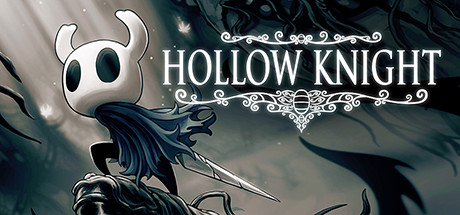 Steam store
Hollow Knight
- Price
- $14.99
- Steam review score
- 97% positive
Price checked Sep 1, 2026; it may have changed since.
View on Steam(opens in a new tab) Steam store
Celeste
- Price
- $19.99
- Steam review score
- 97% positive
Price checked Sep 1, 2026; it may have changed since.
View on Steam(opens in a new tab) Steam store
Portal 2
- Price
- $9.99
- Steam review score
- 98% positive
Price checked Sep 1, 2026; it may have changed since.
View on Steam(opens in a new tab)These are ordinary Steam store links. We earn no commission from them, and prices shown here are indicative only — the Steam store page is authoritative.