Sale advice ages badly. A list of prices is wrong within a fortnight, and a list of "best deals" is really a list of what the writer happened to own. So this is not a price list. It is the reasoning that survives the sale ending, built from the eighteen games in our own Steam records.
Steam salegame dealsbuying advicePC gamingbudget games
How to Judge a Steam Sale - Buying Well Instead of Buying Cheap
During a big sale almost everything worth buying is cheap, so the discount stops being the signal. Here is what to read instead, and when a free browser game is the better answer.
By Arcadia Editorial4 min read

The one-line version: during a big sale, almost everything worth buying is cheap, so the discount stops being the useful signal and the question becomes which cheap thing you will actually play.
Why the percentage tells you almost nothing
A 75% discount looks like information and mostly is not. Two things it fails to tell you:
Whether this is the floor. Most games settle into a repeating discount pattern within a year or two of release, and the seasonal sales hit roughly the same depth each time. A game at "75% off, lowest ever" is usually at the same price it reached last summer. If you skipped it then, the price is not the reason you skipped it.
Whether the game is finished. A steep, unusual discount on a recent release is sometimes a game finding its audience and sometimes a game being quietly abandoned. The tell is not the price, it is the update history: a developer still shipping patches is a developer who still intends to finish.
The number that actually matters
Not price, and not hours-per-dollar either — that metric rewards games that waste your time. The useful question is the probability you finish the first two hours.
Everyone reading this owns games they have never launched. They were not bad purchases because they were expensive; they were bad purchases because the moment to play them never arrived. A $4 game you never open costs more than a $20 game you finish, because the $4 also bought a small ongoing reminder that you waste money.
Which turns the sale into a much easier question: not "is this cheap enough?" but "when, specifically, this week, would I play this?" If there is no answer, the discount is irrelevant.
Reading a store page in ninety seconds
In rough order of how much they tell you:
| Where to look | What you learn |
|---|---|
| Recent reviews, not all reviews | Whether the game is still in good shape today |
| The update history | Whether anyone is still working on it |
| Negative reviews with high hours | The complaints that survive familiarity |
| The developer's other titles | Whether they finish what they start |
| Any mention of an in-game currency | Whether the purchase is the whole cost |
Recent reviews first, and it is not close. A game with 95% positive over its lifetime and 60% over the last month has changed, and the aggregate is describing a version you cannot buy any more.
The negative reviews from people with a hundred hours logged are the most useful text on the page. Someone who played for twenty minutes and disliked the controls tells you about the first twenty minutes. Someone who played a hundred hours and still complains is describing something structural.
Two traps that a discount makes worse
Buying the genre rather than the game. A sale is when people finally try the genre they have always thought they should like. It rarely works, because the reason you never played strategy games was never the price. Buy the genre you already lose evenings to.
The bundle that is 90% off. A publisher bundle usually contains one game you want and four you would not have looked at. The headline percentage is computed against a total nobody would ever have paid. Price the one game you want; if the bundle costs less than that, it is a genuine deal, and if it does not, it is a shopping trip disguised as a saving.
Where a free browser game is the better answer
Worth saying plainly on a site that lists sixteen free games: some of what people buy in a sale, they buy to fill twenty minutes. That is not what a purchase is good at.
If you want a puzzle for a commute, 2048 is free and starts instantly. If you want a reflex test, Slope is two keys and no install. Buy the thing you want to sit down with for an evening — Minecraft is worth owning, and no free browser game replaces it. Do not spend money to solve a problem a tab already solves.
What we do and do not get from this
We are not in the Steam affiliate programme, or any other. Store links here are plain links and we earn nothing whether you buy or not, which is why this article can end by telling you to buy less.
The recommendations block below is generated from our own Steam records, matched on the tags of the article you are reading. It is a suggestion, not a paid placement, and we do not know or receive anything if you follow it.
You might also like
Desktop titles in the same genre, on the Steam store.
 Steam store
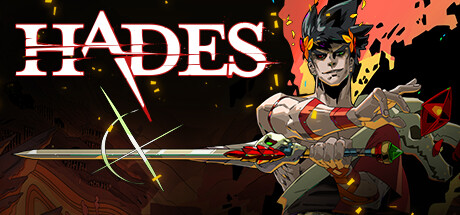
Hades
- Price
- $24.99
- Steam review score
- 98% positive
Price checked Sep 1, 2026; it may have changed since.
View on Steam(opens in a new tab)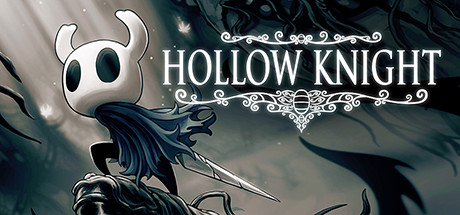 Steam store
Hollow Knight
- Price
- $14.99
- Steam review score
- 97% positive
Price checked Sep 1, 2026; it may have changed since.
View on Steam(opens in a new tab) Steam store
Celeste
- Price
- $19.99
- Steam review score
- 97% positive
Price checked Sep 1, 2026; it may have changed since.
View on Steam(opens in a new tab)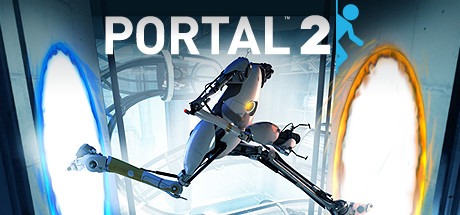 Steam store
Portal 2
- Price
- $9.99
- Steam review score
- 98% positive
Price checked Sep 1, 2026; it may have changed since.
View on Steam(opens in a new tab)These are ordinary Steam store links. We earn no commission from them, and prices shown here are indicative only — the Steam store page is authoritative.